Jaw Surgery Orthodontics
in Arlington, VA
Dr. Markova does the most Orthodontic Jaw Surgery Cases in the DC area!
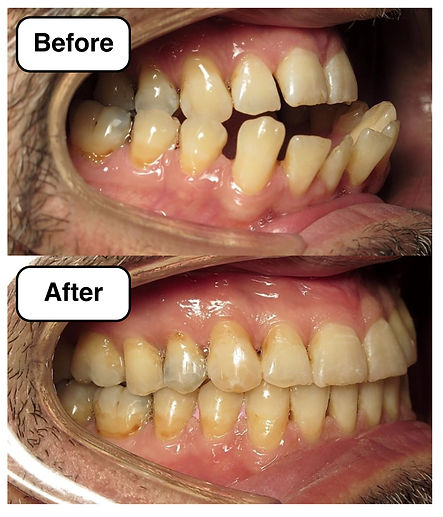
At your complimentary consultation appointment, Dr. Markova will do a full face analysis with the Six Elements Philosophy to make sure that the chin, lips, jaws, and teeth are in balance.
Sometimes, the jaws did not grow as expected and jaw surgery is necessary to correct the bite and improve facial esthetics. The most common issues that jaw surgery corrects is sleep apnea and underbites. Dr. Markova will work closely with an Oral and Maxillofacial Surgeon throughout the entire course of treatment.
Since Dr. Markova is Arlington's premier Orthodontist for Surgical Orthodontics, she will fully discuss every aspect of what the treatment entails. She will be by your side from start to finish! She has personally assisted Oral Surgeons during operations and is comfortable guiding patients through the process. Call today for a complimentary facial and smile analysis to see how we can help.
Jaw Surgery Orthodontics Frequently Asked Questions
Why do I need braces if I’m having jaw surgery anyway?
Jaw surgery moves the jaw bones, but braces move the teeth. Before surgery, we move the teeth into positions that allow the jaws to fit together perfectly after surgery. This sometimes means the bite may look worse before it gets better, but it is necessary for the best final result.
Will my teeth or bite look worse before surgery?
Yes, in many cases, this is normal. Before surgery, the teeth are moved into their correct positions within each jaw, which can temporarily make an underbite or overbite look more noticeable. After surgery, the jaws are aligned and the bite improves dramatically.
How long do I need braces before jaw surgery?
Most patients wear braces 9–18 months before surgery. After surgery, braces are usually worn for another 6–9 months to fine-tune the bite. Total treatment time is typically 18–24 months.
Will I have braces on during jaw surgery?
Yes. Braces must be on during surgery so the surgeon can position your jaws correctly and use rubber bands to guide your bite while healing.
Will I need rubber bands after surgery?
Yes. Rubber bands are very important after surgery because they help guide your bite into the ideal position while the jaws heal. Wearing rubber bands as instructed is critical for the best result.
Can I use Invisalign instead of braces for surgical orthodontics?
In some cases, Invisalign can be used before and after surgery. However, many patients still need braces placed around the time of surgery so the surgeon can attach surgical wires and rubber bands. We will determine the best option during your consultation.
Will my bite be perfect immediately after surgery?
Not immediately. Surgery gets the jaws into the correct position, and then orthodontics fine-tunes the bite afterward. The final adjustments happen in the months following surgery.
When do the braces come off after jaw surgery?
Braces usually come off about 6–9 months after surgery, once the bite is stable and the teeth are properly aligned.
Will jaw surgery change my face?
Yes, and that is often one of the biggest benefits. Jaw surgery can improve facial balance, profile, chin position, smile appearance, and sometimes breathing and airway as well.
Who plans my treatment — the orthodontist or the surgeon?
Both work together as a team.The orthodontist plans the tooth movement and bite, and the oral surgeon plans the jaw surgery. Together, we coordinate the entire treatment to achieve the best functional and cosmetic result.
Jaw surgery can be used to correct underbites, overbites, facial asymmetry, gummy smiles, recessed chins, and sleep apnea.